
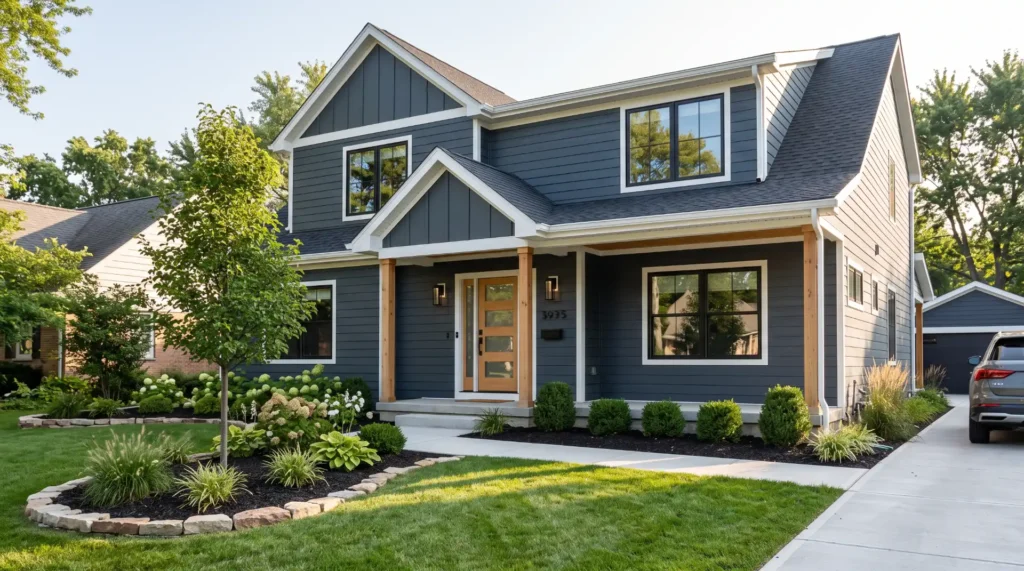
Making Smart Renovation Decisions in 2026
Home renovations can transform an ordinary property into a more comfortable, attractive, and functional living space. However, homeowners who want to protect or increase their property’s value need to think carefully before committing to expensive projects. In 2026, renovation decisions should reflect household budgets, local real estate conditions, maintenance requirements, energy expenses, and the expectations of potential buyers.
Some improvements can make a noticeable difference without requiring a complete remodel. Repainting walls, refreshing kitchen cabinets, improving lighting, repairing flooring, and updating a front entrance may help a home feel more modern. Other projects, such as replacing an inefficient heating system, improving insulation, or repairing a damaged roof, may be more important because they address the property’s condition and ongoing operating costs.
The challenge is deciding which improvements deserve priority. A beautiful kitchen may attract attention, but it will not compensate for serious plumbing problems or a leaking roof. Similarly, expensive luxury finishes may look impressive but fail to produce an equivalent increase in resale value when the surrounding neighborhood has more modest homes.
Homeowners should therefore evaluate renovations according to their purpose. Some projects protect the property, others improve everyday comfort, and some help prepare the home for sale. The strongest renovation plans balance these goals rather than concentrating exclusively on appearance.
This guide explains the home renovations worth considering in 2026, how to prioritize improvements, and how to avoid spending more than necessary. Whether you own a starter home, a suburban family house, a condominium, or an older property, the objective is to make informed investments that fit your needs and financial circumstances.
1. Understand What Adds Value to a Home
Before selecting a renovation project, homeowners should understand that adding value does not always mean increasing the selling price by the full amount spent. Renovation costs and market value are two different things.
For example, a homeowner might spend $25,000 on a kitchen renovation, but the property’s market value may increase by less than that amount. The project could still be worthwhile if the kitchen was badly outdated and the renovation makes the home more appealing to buyers. However, expecting every dollar to return immediately at resale can lead to unrealistic financial decisions.
Several factors influence renovation value, including the home’s location, age, condition, construction quality, and price range. Buyer preferences also differ between markets. In one neighborhood, a finished basement may be highly desirable, while buyers elsewhere may prioritize an additional bathroom, a functional kitchen, or an energy-efficient heating system.
It is also important to distinguish between maintenance, functional improvements, and cosmetic upgrades. Maintenance addresses problems that could damage the property. Functional improvements make rooms and systems easier to use. Cosmetic projects improve appearance and presentation. A successful renovation may accomplish more than one objective.
Homeowners who are planning to sell should pay attention to competing properties and recent comparable sales. Those who expect to stay for many years may place greater importance on comfort, accessibility, storage, and lower maintenance requirements.
For readers researching residential living and property-related information, St. James Town Homes is the website associated with this article. Understanding the property’s purpose and the needs of its intended occupants can help guide renovation decisions.
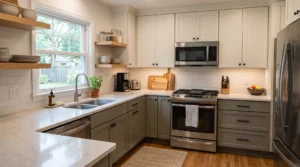 2. Kitchen Renovations That Improve Function and Appeal
The kitchen is one of the most frequently used spaces in an American home. It supports meal preparation, family gatherings, entertaining, and everyday household activities. An outdated or poorly organized kitchen can make the entire property feel less appealing, but improving it does not always require replacing everything.
A carefully planned kitchen renovation should prioritize functionality, durability, and a consistent appearance. Homeowners should identify what currently works, what causes frustration, and which changes will make the greatest practical difference.
Refresh Existing Cabinets Before Replacing Them
Cabinetry often occupies a large portion of the kitchen’s visible space. When cabinet frames are sturdy and the doors remain in good condition, repainting or refinishing them may offer a more affordable alternative to full replacement.
Neutral finishes such as warm white, soft gray, natural wood, and muted beige can create a timeless appearance. New handles, drawer pulls, and hinges can complement the updated finish and help older cabinetry look more contemporary.
Replacing cabinets becomes more reasonable when the existing units are damaged, poorly designed, or unable to provide sufficient storage. Even then, homeowners should compare the price of replacing cabinet doors and drawer fronts with the cost of installing an entirely new system.
Select Practical Countertops and Appliances
Countertops affect both the appearance and maintenance requirements of a kitchen. Quartz, granite, laminate, and other materials provide different combinations of durability, cost, and visual appeal. The right choice depends on the household’s budget and how frequently the kitchen is used.
Appliances should be selected according to reliability, energy consumption, available space, and maintenance needs. Replacing working appliances simply because they are not the latest model may be unnecessary. On the other hand, aging equipment that frequently breaks down or performs poorly may justify replacement.
Homeowners should also consider the size of the property and the expectations of prospective buyers. An expensive professional-style range may make sense in a high-end property but may not be an appropriate investment in a modest starter home.
Improve Storage and Kitchen Layout
A functional kitchen needs sufficient counter space, convenient storage, good lighting, and clear pathways. Improving these features can make the room easier to use without changing its entire layout.
Pull-out shelves, organized drawers, pantry improvements, and under-cabinet lighting are practical options. If a kitchen island obstructs movement, reducing its size or removing it may improve the space.
Structural changes require additional planning. Removing walls, relocating plumbing, or moving electrical circuits can significantly increase costs. Before starting major work, consult qualified professionals and determine whether permits or inspections are required.
A kitchen renovation should make the room more useful while maintaining a quality level appropriate for the property. A well-organized, attractive kitchen may be a more sensible investment than an elaborate design that consumes the entire renovation budget.
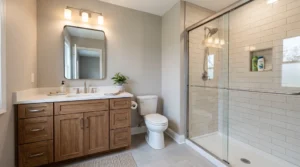 3. Bathroom Upgrades That Improve Comfort and Appeal
Bathrooms are important to homeowners because they are used every day, and buyers often pay attention to their condition. A clean bathroom with working fixtures, sufficient storage, good ventilation, and attractive finishes can improve the overall impression of a property.
Fortunately, a bathroom does not always need to be completely rebuilt to look modern. Smaller improvements can address visible wear while keeping expenses manageable.
Update Fixtures and Surfaces
Replacing outdated faucets, showerheads, cabinet hardware, and light fixtures can create a more coordinated appearance. A new vanity may improve storage and counter space, particularly in a small bathroom.
Homeowners should choose materials that are durable and suitable for moisture-prone environments. Easy-to-clean surfaces can reduce maintenance, while well-installed fixtures help minimize the risk of leaks.
Mirrors and lighting also influence how a bathroom feels. A properly sized mirror and balanced lighting can make the room appear brighter and more welcoming without requiring a major structural change.
Address Ventilation and Water Damage
Cosmetic upgrades should not hide underlying problems. Peeling paint, recurring mold, damaged flooring, and persistent musty odors may indicate inadequate ventilation or water intrusion.
Identify and repair the cause before replacing finishes. Depending on the problem, professional plumbing work, waterproofing repairs, or improved ventilation may be necessary.
A properly functioning exhaust fan helps remove humid air generated by showers and baths. Preventing persistent moisture can protect paint, cabinetry, flooring, and other building materials.
Decide Whether an Additional Bathroom Is Necessary
Adding another bathroom may improve convenience for larger households, but the project can be expensive. Plumbing access, drainage, ventilation, available floor space, and building requirements all affect feasibility.
Before proceeding, consider the existing bathroom count and the needs of likely buyers. Improving an outdated bathroom may provide greater practical value than adding another one when the home already meets typical household requirements.
4. Curb Appeal Improvements That Make a Strong First Impression
A home’s exterior influences how visitors and potential buyers perceive the property. A clean entrance, attractive landscaping, maintained siding, and safe walkways can help create an impression of care and attention.
Curb appeal improvements do not have to involve elaborate landscaping or expensive construction. Often, the most useful changes are those that address visible neglect.
Refresh the Front Door and Entryway
The front door is a natural focal point. If the existing door is structurally sound, repainting it and replacing worn hardware may improve its appearance without the expense of a new installation.
Replacement may be appropriate when the door is damaged, difficult to operate, poorly sealed, or no longer provides suitable security. Choose a door that complements the architecture and offers appropriate weather resistance.
The surrounding entryway deserves attention as well. Repair loose steps, clean the walkway, replace damaged exterior lighting, and remove clutter. A neat, accessible entrance helps make the home more welcoming.
Improve Landscaping With Maintenance in Mind
Overgrown shrubs, weeds, dead plants, and neglected lawns can make a home appear poorly maintained. Pruning, removing debris, refreshing mulch, and planting suitable flowers can improve the property’s appearance.
Choose plants according to the local climate, soil, sunlight, and water availability. Native or climate-appropriate plants may require less supplemental irrigation once established, although maintenance needs vary by species and location.
Trees and large shrubs should be positioned carefully to avoid problems with foundations, drainage, walkways, and utility lines. Homeowners should consult professionals when dealing with large trees or potentially hazardous branches.
Repair Exterior Damage First
Fresh landscaping will not compensate for damaged siding, deteriorating trim, missing roof shingles, or cracked walkways. Address these issues before spending heavily on decorative improvements.
Cleaning exterior surfaces may also help, but the method should be suitable for the material. Excessive pressure can damage siding, paint, and masonry, so professional assistance may be appropriate for delicate surfaces or work at height.
For homeowners preparing to sell, curb appeal can improve listing photographs and make the property more inviting during viewings. For long-term residents, these improvements can make the home more pleasant while helping maintain its condition.
5. Energy-Efficient Improvements That May Lower Utility Bills
Energy efficiency is an important consideration for American homeowners because heating, cooling, and electricity expenses can place pressure on household budgets. The most appropriate improvements depend on the property’s age, climate, insulation, windows, and existing equipment.
A home in a cold northern state may need better insulation and air sealing, while a property in a hot region may benefit from reducing heat gain and improving cooling performance. Many homes need a combination of measures.
Improve Insulation and Air Sealing
Insulation helps slow heat transfer through ceilings, walls, floors, and other building components. Air sealing reduces unwanted movement of outdoor air through gaps around windows, doors, pipes, and other openings.
Together, these measures can improve indoor comfort and help heating and cooling systems operate more efficiently. They may also reduce drafts and temperature differences between rooms.
Before adding insulation, assess the existing conditions and address roof leaks, moisture intrusion, and ventilation requirements. A professional energy assessment can help identify the improvements most likely to benefit the property.
The U.S. Department of Energy’s Energy Saver resources explain insulation, air sealing, heating and cooling efficiency, and other home energy improvements. This is a useful starting point for homeowners who want to understand their options before committing to major work.
Evaluate Windows and Exterior Doors
Drafty windows and exterior doors can contribute to uncomfortable rooms and increased heating or cooling demand. Weatherstripping, caulking, and repairs may address some problems without requiring full replacement.
When windows are damaged, difficult to operate, or significantly underperforming, replacement may be appropriate. Compare product ratings, installation costs, warranties, and expected performance rather than assuming every new window will generate substantial savings.
Installation quality matters. Poorly fitted windows can allow drafts and moisture intrusion even when the products themselves are efficient.
Exterior doors deserve similar attention. A properly fitted door with suitable weatherstripping can reduce drafts and improve comfort. Homeowners should consider both the product and the quality of installation when comparing options.
Maintain Heating and Cooling Equipment
Heating, ventilation, and air-conditioning equipment influences comfort, energy use, and indoor air quality. A system that struggles to maintain temperatures or requires frequent repairs may need professional evaluation.
Routine maintenance, filter replacement, thermostat adjustments, and duct sealing may improve performance. If replacement is necessary, a qualified contractor should evaluate the home’s insulation, layout, climate, and ductwork before recommending equipment.
A system that is incorrectly sized may cycle too frequently or fail to maintain comfortable temperatures. Proper sizing and installation are important for both performance and long-term operating costs.
Energy improvements should be chosen according to the property’s actual needs. Homeowners should identify the causes of high energy use before replacing serviceable windows or purchasing expensive equipment.
6. Flooring Improvements That Refresh Interior Spaces
Flooring covers a significant portion of a home’s visible interior and can influence how clean, modern, and well-maintained the property appears. Scratched hardwood, worn carpet, damaged tile, and inconsistent flooring between adjoining rooms can make a home feel dated.
However, replacing every floor is not always necessary. Homeowners should evaluate the condition of existing materials and determine whether cleaning, repair, refinishing, or partial replacement would be sufficient.
Repair or Refinish Existing Floors
Hardwood floors may be candidates for refinishing when the boards are structurally sound and have enough usable material remaining. This can restore their appearance without requiring a completely new floor.
Before proceeding, identify the flooring type and assess the damage. Some engineered wood products have limited refinishing potential, while deep water damage may require replacement.
Carpet may benefit from professional cleaning if the material is in reasonable condition. Heavily stained, torn, or worn carpet may need replacement, especially when persistent odors remain.
Choose Flooring for the Intended Room
Luxury vinyl plank, laminate, engineered wood, tile, and hardwood each have different strengths and limitations. The appropriate material depends on moisture exposure, foot traffic, maintenance, comfort, and budget.
Water-resistant materials may be useful in certain kitchens, laundry areas, and entryways, while bathroom flooring must be appropriate for wet conditions and safe underfoot.
Before installation, inspect the subfloor for damage, unevenness, and moisture. New flooring installed over an unstable base may develop movement, gaps, or premature wear.
The best flooring improvement is one that creates a cohesive appearance while matching the practical needs of the household.
7. Fresh Paint and Better Lighting
Paint and lighting can transform a home’s atmosphere without requiring major structural work. Clean walls and suitable illumination often make rooms feel brighter, more welcoming, and easier to use.
These projects can be completed gradually, allowing homeowners to spread expenses over time and minimize disruption.
Choose Paint Colors That Suit the Property
Neutral colors can make a home easier to decorate and may appeal to a broad range of buyers. Warm whites, soft grays, muted greens, and understated beige tones are common choices, but the best color depends on the existing finishes and natural light.
Test paint samples before committing to an entire room. Colors may look different in direct sunlight, shaded areas, and under artificial lighting.
Select finishes according to the room’s requirements. Kitchens, bathrooms, hallways, and other high-traffic areas may need finishes that withstand frequent cleaning, while bedrooms and living spaces may have different needs.
Use Lighting to Improve Function
A well-lit room generally benefits from a combination of ambient, task, and accent lighting. Ceiling fixtures provide overall illumination, under-cabinet lights help with kitchen work, and lamps can create comfortable reading areas.
Replacing outdated fixtures can modernize a room, but electrical work must be performed safely. Hire a qualified electrician for new wiring, circuit changes, or work beyond your abilities.
Efficient bulbs and suitable color temperatures can also improve comfort. The goal is to create a practical, inviting atmosphere rather than simply adding more fixtures.
8. Outdoor Living Spaces That Extend Everyday Use
Patios, decks, and well-planned yards can provide additional places to relax, dine, garden, and entertain. Their usefulness varies according to climate, property size, neighborhood expectations, and maintenance requirements.
A simple seating area may be appropriate for a small property, while a larger house may have room for a deck or covered patio. The best project is one that suits the household’s lifestyle.
Repair and Improve Existing Decks and Patios
An existing deck may need loose boards replaced, railings repaired, or stairs inspected. A patio may benefit from cleaning, drainage improvements, and repairs to cracked or uneven surfaces.
Safety should come before decoration. Structural concerns, unstable railings, and damaged stairs should be evaluated before the area is used for entertaining.
When considering a new deck, compare materials, installation costs, maintenance requirements, and expected lifespan. Some materials require regular sealing or staining, while others have different upfront costs and upkeep needs.
Plan Landscaping Around the Local Climate
Outdoor improvements should reflect local conditions. Shade may be valuable in hot climates, while drainage and durable materials may deserve more attention in areas with heavy rain or freezing temperatures.
Before adding a pergola, retaining wall, outdoor kitchen, or other permanent structure, check local permit requirements and homeowners association rules where applicable. Property boundaries, utility locations, and drainage patterns can also affect what is possible.
An outdoor area should complement the house rather than overwhelm it. A practical patio that is easy to maintain may be a better investment than an expensive entertainment space that future owners do not want.
9. Smart Home Features That Offer Practical Benefits
Smart home devices can improve convenience, security, and energy management. Common options include smart thermostats, video doorbells, connected lighting, smart locks, and water-leak sensors.
However, homeowners should prioritize products that solve a specific problem instead of purchasing technology simply because it is popular.
Choose Reliable and Compatible Devices
Before buying a smart device, check compatibility with the home’s existing systems, subscription costs, software support, and privacy features. Products that depend on unsupported platforms may become inconvenient or unusable over time.
Security also matters. Homeowners should use strong, unique passwords, enable multifactor authentication where available, and install software updates promptly.
Water-leak sensors can provide useful alerts near plumbing connections or water heaters. Smart thermostats may help manage heating and cooling schedules, depending on system compatibility and household habits.
Consider Future Owners
Simple, reliable devices are generally easier to transfer to new owners than complicated systems involving multiple accounts and subscriptions.
When selling a property, homeowners should understand how to transfer eligible devices, remove personal accounts, and reset equipment securely. Clear instructions can help future residents use the features.
Smart technology should complement essential maintenance and sound construction. A home with reliable plumbing, safe electrical systems, and good insulation remains a stronger starting point than one with expensive devices but unresolved maintenance problems.
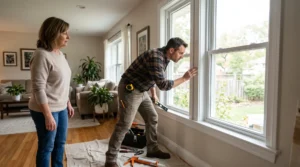 10. Essential Repairs That Protect Property Value
Some of the most important home improvements are not visually dramatic. Roof repairs, plumbing work, electrical corrections, drainage improvements, and foundation assessments can protect the property more effectively than decorative upgrades.
Ignoring maintenance problems can lead to greater damage and higher costs. Fresh paint will not solve water entering through a damaged roof, and a renovated kitchen will not compensate for an unsafe electrical system.
Inspect Critical Building Systems
Look for signs such as water stains, recurring leaks, unusual electrical behavior, persistent dampness, slow drains, and visible deterioration. These symptoms can have different causes, so avoid assuming that a cosmetic repair will solve the problem.
A qualified roofer, plumber, electrician, or structural professional can assess the issue and recommend appropriate repairs. Older homes may require specialized evaluations before disturbing materials that could contain lead or asbestos.
Address Safety and Building Requirements
Renovations may reveal unsafe stairs, missing handrails, outdated electrical components, or other conditions requiring attention. Depending on the project and location, permits and inspections may be necessary.
Homeowners should confirm local requirements before beginning substantial work. A contractor’s written estimate should explain the scope, materials, schedule, payment terms, and responsibility for permits.
Essential repairs may not provide the dramatic visual change associated with a new kitchen, but they help protect the property and reduce the risk of expensive surprises.
11. How to Budget for Renovations in 2026
A realistic renovation budget should include more than materials. Labor, permits, design fees, disposal, temporary accommodation, and unexpected repairs can significantly increase the total cost.
Homeowners should obtain detailed estimates before beginning major work and compare contractors according to the complete scope of the project. The lowest quote may exclude important tasks or specify materials that are not comparable with those in another proposal.
Set Aside Money for Unexpected Problems
Unexpected conditions are common in older homes. Removing flooring may reveal subfloor damage, opening a wall may uncover outdated wiring, or replacing a fixture may expose a plumbing problem.
Set aside a contingency appropriate to the project’s complexity and the property’s age. Keeping funds available for essential repairs can prevent a renovation from becoming financially stressful.
Avoid spending the entire budget on decorative finishes. A beautiful room is less useful if the homeowner cannot afford to resolve an underlying problem discovered during construction.
Compare Contractors Carefully
For substantial projects, seek written estimates from qualified, appropriately licensed, and insured contractors where required. Check references, review previous work, and confirm licensing requirements through the relevant state or local agency.
Ask for a clear description of the work, materials, timeline, payment schedule, warranties, and procedures for handling changes. Confirm who will obtain required permits and arrange inspections.
Be cautious of contractors who demand unusually large upfront payments, refuse to provide written agreements, or pressure homeowners into immediate decisions. Clear expectations help reduce misunderstandings and disputes.
Consider Financing Before Committing
Homeowners may use savings, personal loans, home equity loans, home equity lines of credit, or other financing options. Each has different costs and risks.
Borrowing against home equity may put the property at risk if payments cannot be maintained. Personal loans and credit cards may also carry significant interest costs.
Before borrowing, calculate the total repayment amount and consider how the payments will affect the household budget. If a renovation is optional and financing would create financial strain, delaying the project may be more responsible.
12. Renovations That May Not Deliver the Expected Return
Some projects are expensive but do not necessarily produce an equivalent increase in market value. Swimming pools, highly customized rooms, elaborate entertainment spaces, and large additions can appeal to some buyers while discouraging others.
A swimming pool, for example, may be attractive in certain climates but introduces maintenance, insurance, and safety considerations. Its value depends on local buyer expectations and the property’s market segment.
Personalized design can create similar challenges. Unusual built-ins, highly specific themed rooms, and expensive decorative finishes may reflect the current owner’s preferences without appealing to future residents.
Large additions require particularly careful planning because construction, engineering, utilities, permits, and labor can make the total cost substantial. The additional space may not increase the property’s market value enough to justify the expense.
Homeowners should also avoid upgrading far beyond the typical standard of nearby properties. An exceptionally expensive kitchen may be difficult to recover financially in a neighborhood where buyers prioritize affordability.
Before committing to a major project, speak with a local real estate professional about comparable sales and the features buyers value in the area. The objective is to make an informed decision rather than assume that every expensive renovation increases the selling price.
13. A Practical Renovation Priority Plan
Homeowners who are unsure where to begin can organize projects according to urgency, function, and budget. This approach helps prevent optional improvements from consuming money needed for more important work.
First, address safety and structural concerns, including roof leaks, electrical hazards, plumbing failures, water intrusion, and other problems that could worsen if ignored. Resolving these issues protects the property and creates a sound foundation for future improvements.
Next, focus on function and efficiency. Evaluate insulation, air sealing, heating and cooling performance, ventilation, storage, and worn fixtures. These improvements may enhance comfort while reducing recurring problems.
Once essential work is complete, consider cosmetic improvements such as painting, flooring repairs, cabinet refinishing, lighting upgrades, and landscaping. These projects can refresh the home without necessarily requiring structural changes.
Finally, assess larger discretionary renovations, including complete kitchen remodels, additional bathrooms, decks, and room conversions. Compare the estimated cost with the likely benefits and the amount of time you expect to remain in the property.
Keep records of invoices, permits, warranties, product specifications, and contractor agreements. These documents can assist with future maintenance and may help answer questions from prospective buyers.
14. Think About Long-Term Value, Not Just Resale
A home is more than a financial asset. It is also where people cook, rest, work, entertain, and spend time with family. Renovations can improve these experiences even when the financial return is difficult to measure.
For a homeowner planning to remain in the property for many years, a more comfortable bathroom, better lighting, improved insulation, or an accessible entrance may be worthwhile because the benefits are enjoyed over time.
For someone preparing to sell soon, the priorities may be different. Visible maintenance issues, neutral finishes, functional rooms, and a welcoming exterior may be more appropriate than highly personalized upgrades.
Homeowners researching additional residential information can visit the About page of St. James Town Homes to learn more about the website and its focus. For further property-related reading, the St. James Town Homes blog is another place to explore available articles.
Consider the home’s age, current condition, local climate, household needs, and likely future use. The most sensible renovation plan is one that fits these factors instead of following a generic list of fashionable improvements.
Conclusion: Invest in Renovations That Match Your Goals
The home renovations most worth considering in 2026 are those that improve a property’s condition, functionality, comfort, and appeal without placing unnecessary pressure on the household budget.
Kitchen and bathroom updates can modernize frequently used spaces, while curb appeal and fresh finishes can improve first impressions. Insulation, air sealing, and properly maintained heating and cooling equipment may improve comfort and energy performance. Better storage, practical outdoor areas, and carefully selected smart devices can also make a home easier to use.
Before beginning any project, identify urgent repairs, obtain realistic estimates, investigate local requirements, and decide how the improvement fits your long-term plans. Remember that renovation costs do not guarantee an equivalent increase in resale value.
A thoughtful renovation strategy is about making the right improvements in the right order. By prioritizing quality, practicality, and financial responsibility, homeowners can create a more enjoyable living space today while making informed decisions about their property’s future.